TOKYO JAZZ TOURS
Curated Visits to Jazz Kissa & Live Clubs
LINER NOTES
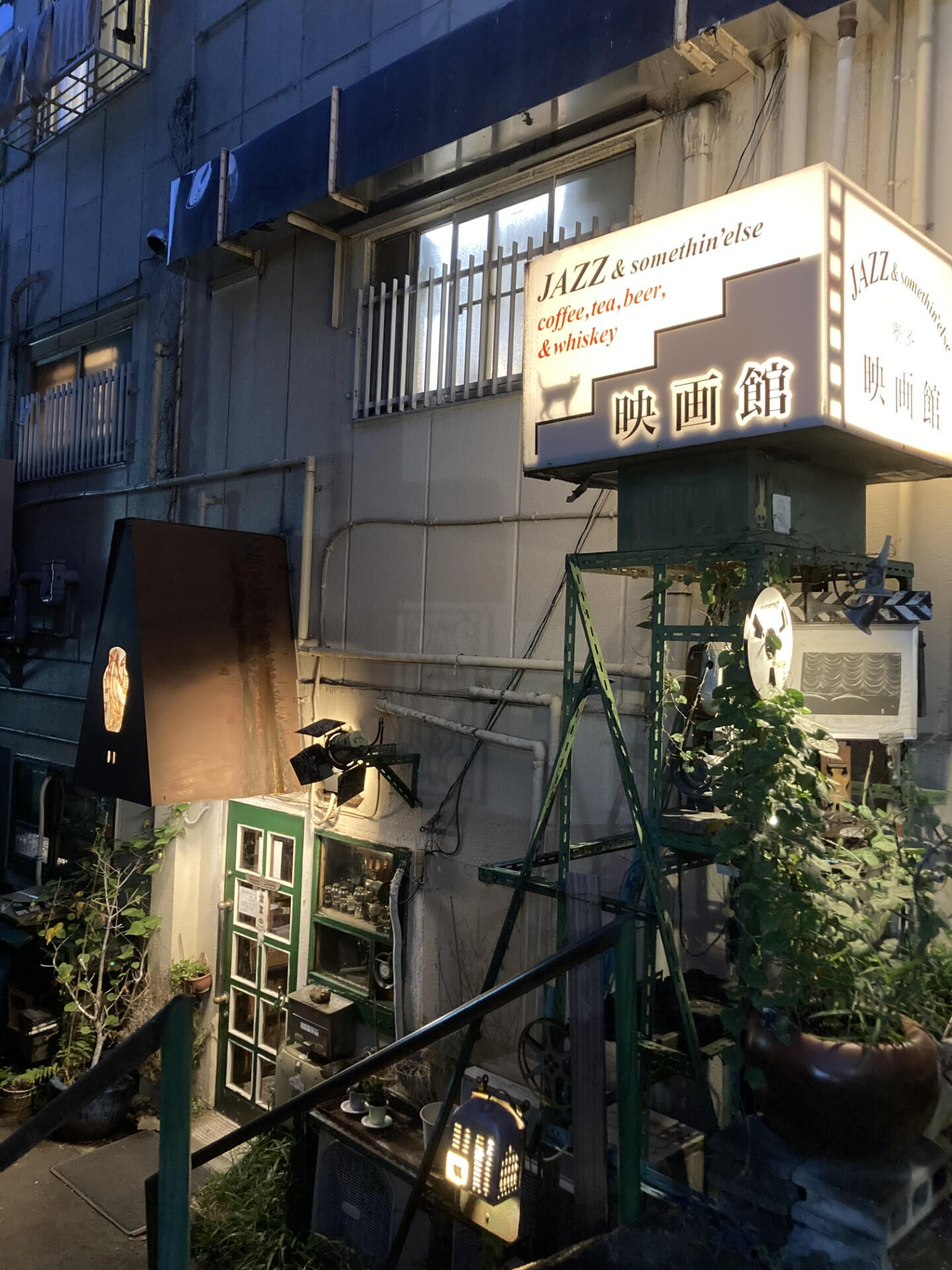
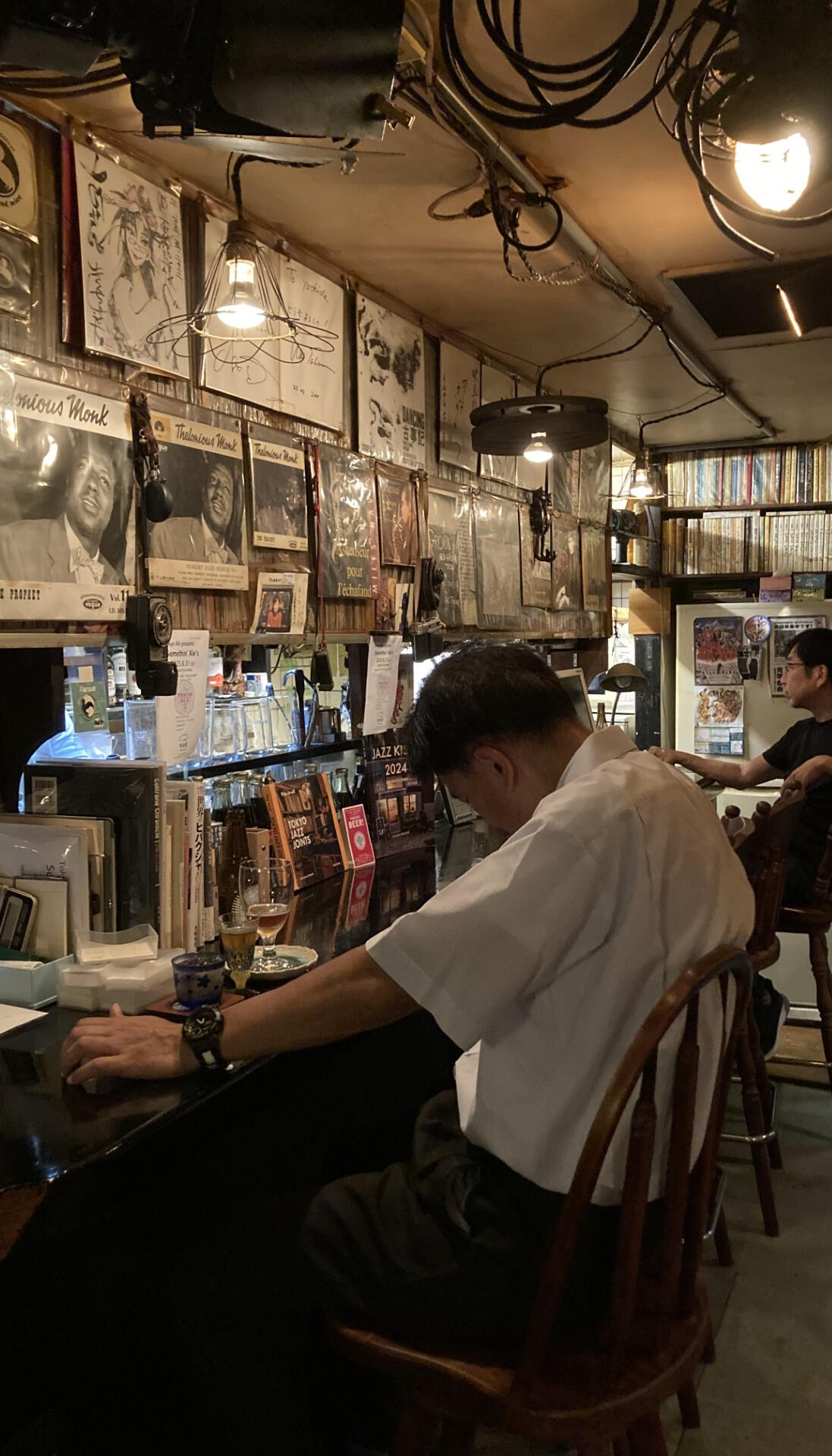
Behind a nondescript door on the second floor of an unassuming building in the backstreets of Shinjuku, there once was the most remarkable jazz joint I've ever encountered: Jazz Pub Michaux.Only a small sign bearing its name, and the faint sound of music seeping into the quiet corridor, gave it away.Opening the door, I couldn't help but smile. Something groovy was almost always spinning on the turntable. Even by Tokyo's standards, this was a small jazz kissa. Eight people could just about squeeze around the L-shaped counter. The room couldn't have been more than eighteen square meters.Behind the counter stood Misho-san, the owner, dressed in his trademark kimono and Mongolian hat, welcoming me in.I often visited on Saturday nights and was frequently the only customer. I remember feeling conflicted about that. On one hand, I looked forward to another night of school - we would drink, talk, and Misho-san would introduce me to little-known artists, one record after another.On the other hand, I couldn't help but wonder how a place like this could survive - and how I wished more people would discover and fill that tiny room.Life happened, and my visits became less frequent. Next thing I knew, it had closed its doors for the last time.I later learned that jazz kissas in Japan are said to have peaked in the mid to late 1970s, when there were around six hundred across the country - with some two hundred in Tokyo alone.Since then, their numbers have steadily thinned. Changing music tastes, personal listening devices, and the aging of owner-operators like Misho-san have all played their part. Each year, a few more disappear quietly.Today, fewer than one hundred are thought to remain in Tokyo.Each one is a deeply personal expression of the subculture.At Jazz Pub Michaux, Misho-san's specialty was soul jazz - a groove-oriented subgenre blending hard bop with soul, gospel, and R&B. Between his tiny joint and his home, he owned more than 4,500 records, including many recordings by jazz organists - the organ being an instrument for which he had a particular fondness.I would stay until the last train, listening not only to the music, but to Misho-san's stories - including how he once drank with Thelonious Monk and Horace Silver when they visited Tokyo.I still miss Jazz Pub Michaux, even though more than a decade has passed. Its loss wasn't just that of a place, but of a singular character - someone who knew so much, and was generous in sharing it.For some time now, I've been thinking about how this subculture might be sustained. What if, by making jazz kissas more accessible to international visitors, I could help increase foot traffic and, in some small way, help them keep their lights on a little longer?By the same token, I hope to shine a light on Tokyo's smaller, more intimate jazz clubs - not the large, internationally known venues, but the places that quietly uphold the spirit of the scene and which truly deserve wider recognition.This site grew out of that thought.
THE SESSIONS
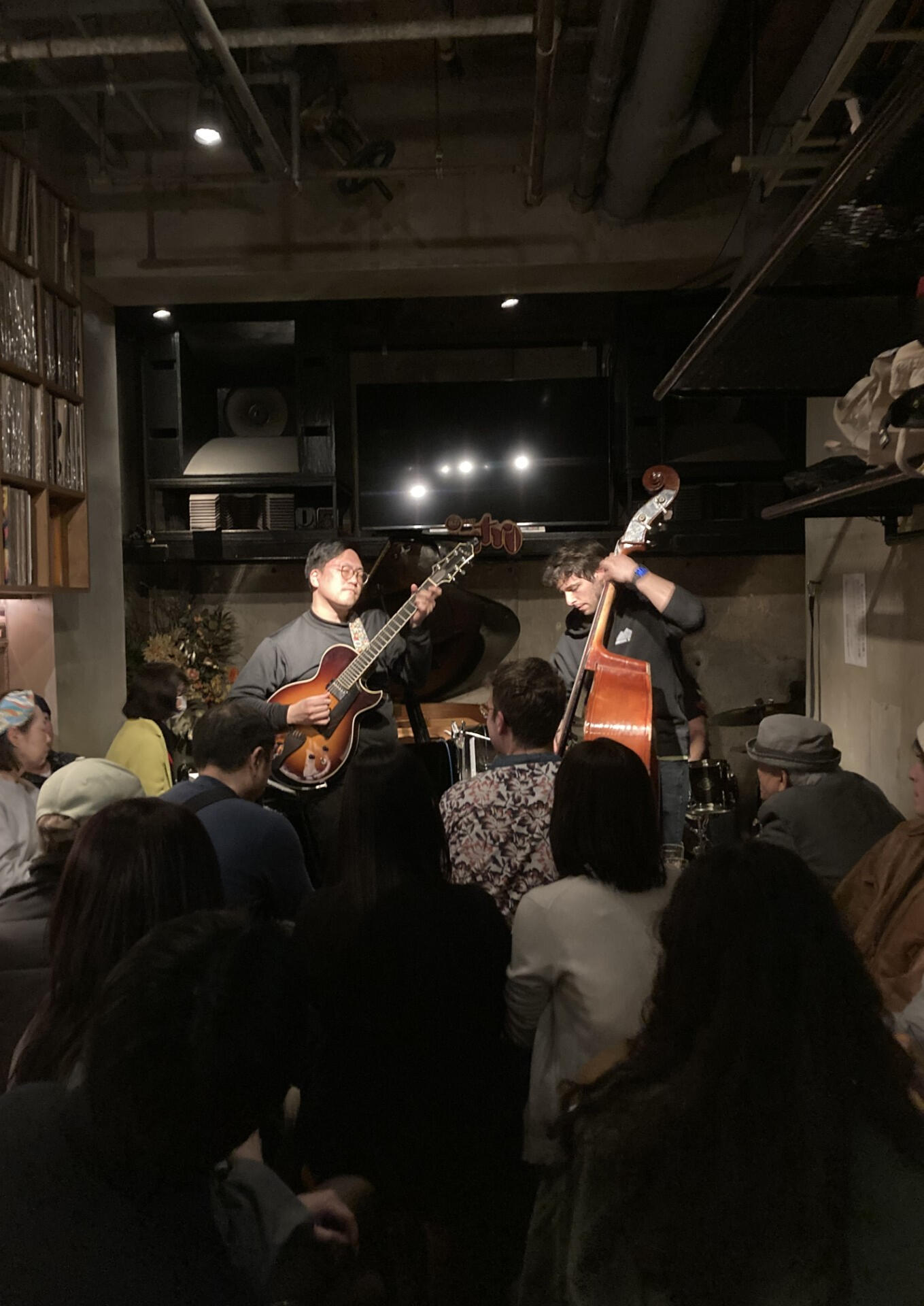
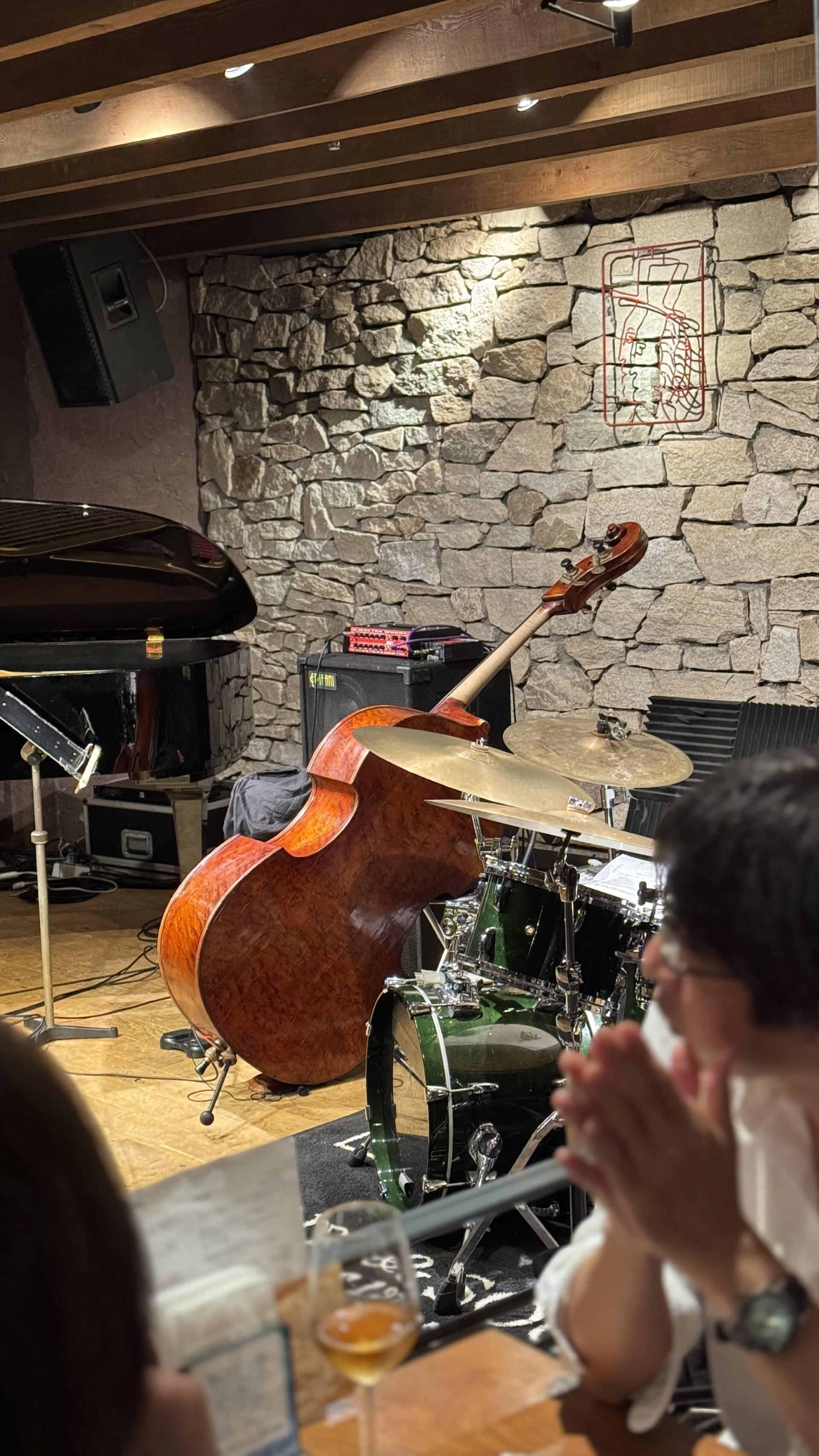
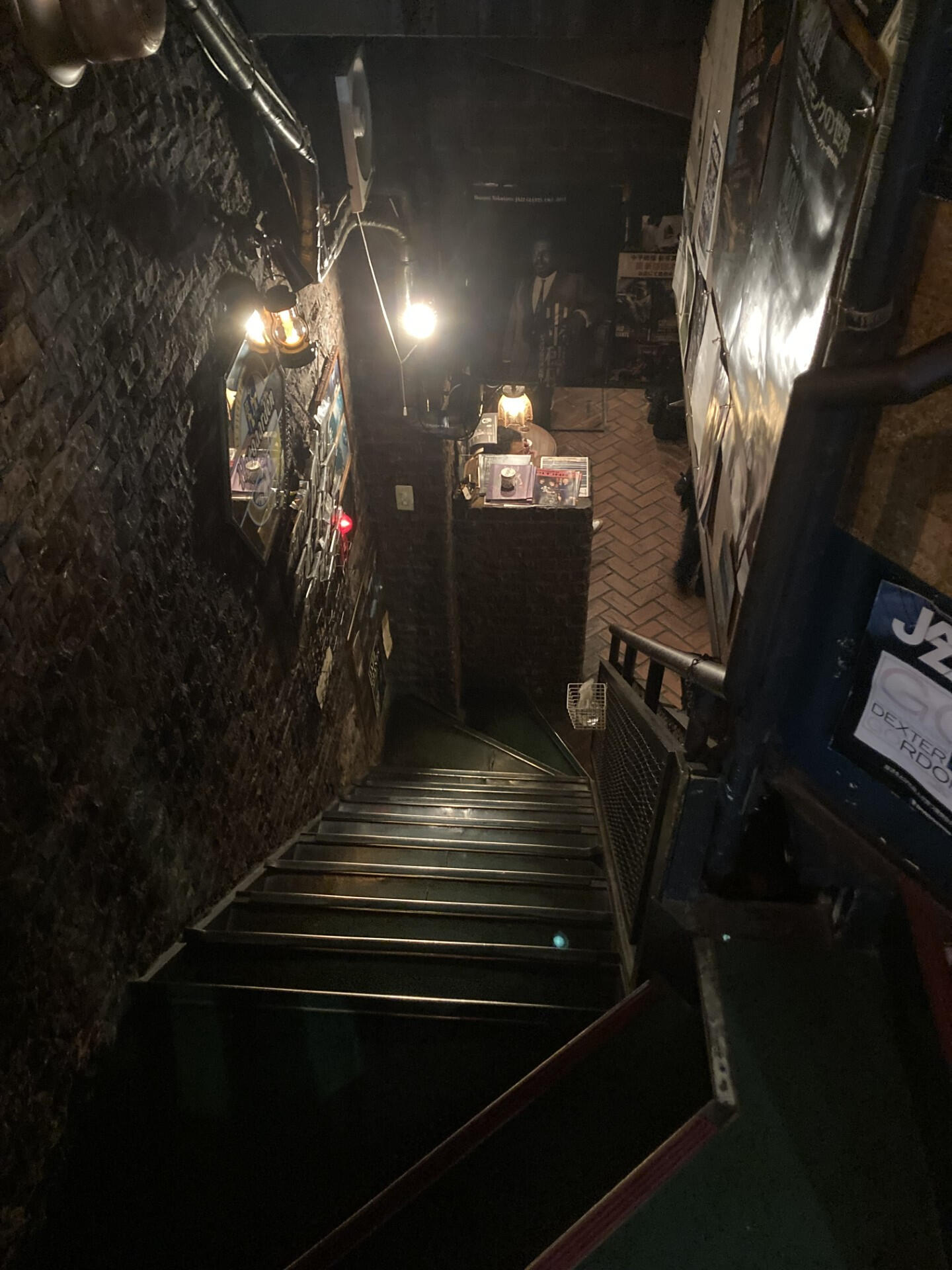
Tokyo is home to an extraordinary range of jazz joints - from intimate underground spots to long-standing clubs with deep roots in the city's musical history. Jazz kissas and live jazz clubs represent two distinct, yet complementary, expressions of this culture. Together, they invite different ways of listening.A jazz club carries a particular energy - there's nothing quite like the excitement of a performance unfolding in real time, the subtle exchange between musicians, and the shared attention of the room. At its most compelling, live jazz is close, warm, and communal. Tokyo's smaller clubs, favored by local and visiting musicians alike, often provide exactly that setting.Jazz kissas offer a different, yet equally captivating experience. These are listening cafés and bars where carefully selected vinyl is played on finely tuned audio systems, sometimes accompanied by conversation with an owner whose knowledge has been shaped by decades of devotion. Many also serve coffee prepared using the traditional Nel drip method - hand-poured through a cloth filter - a quiet ritual that feels very much at home in Japan.For those looking for something a little different to do in Tokyo at night, catching a live set or spending time in a jazz kissa offers a quieter, more immersive way into the city's jazz culture.So what might an evening look like?Sessions are best suited to small groups of one to four guests, allowing the pace to remain unhurried and personal. No prior knowledge of jazz is necessary - only a willingness to listen and be curious.We could meet at a train station and, if you wish, begin the evening with a drink or a light dinner, accompanied by an introduction to Tokyo's jazz scene and the particular role kissas and clubs play within it.From there, we could visit a couple of jazz kissas, each shaped by the personality and taste of its owner. Alternatively, the evening might continue at a jazz club, taking in two sets - typically between fifty minutes and an hour each. Based on your musical interests and what's happening that night, we can go through our options together.The two experiences can also be combined: a live set followed by a late visit to a kissa, or the reverse - hearing the roots on vinyl before stepping into the present moment of a live set.An evening usually unfolds over three to three and a half hours, often concluding around 9:30 p.m.For musicians interested in joining a local jam session, there are several welcoming options. Vinyl collectors may wish to explore some of the city's highly regarded specialist jazz record shops. If there is something specific you would like to seek out, we can shape the evening around it.
The HOSTS
StephenI have been based in Tokyo for over twenty years, though my musical life began elsewhere. Born in Hong Kong and raised in London, I grew up between cultures - an experience that continues to shape how I listen.I started learning piano at eight, following the usual classical path. As a young teenager, I encountered jazz for the first time and remember being spellbound by the melody of Erroll Garner's Misty, heard in the cocktail lounge of a hotel in London. Jazz has been part of my life ever since.Most of the jazz I return to comes from the 1950s through the mid-1960s - hard bop, modal jazz, and soul jazz in particular. I'm especially fond of trumpeters such as Lee Morgan, Woody Shaw, and Freddie Hubbard.Tokyo's jazz scene - especially the jazz kissas and smaller live joints that form its backbone - is the thing I've come to value most about the city. Many nights over the years were spent in places like these. This site, and the desire to help sustain the livelihoods of such joints, grew out of those nights.YusukeI was born in Miyazaki, in southern Japan - a place better known for its coastline and quiet pace than for late-night jazz - but Tokyo has been home for a long time now.I began playing piano around the age of six. Although I took it seriously, I eventually chose what seemed like the safer path: studying in the United States, qualifying as a US CPA, and joining a Big Four audit firm - where I met Stephen.Music, however, has never really left me. I returned to composing and playing jazz piano, and in 2012 won a major international jazz composing competition, which led, among other things, to a performance at the John F. Kennedy Center for the Performing Arts - something I still mention with care.I'm drawn to post-bop pianists such as Brad Mehldau and Keith Jarrett, particularly for the way they weave free and classical elements into their playing. These days, when I'm not working my day job, I spend my time composing, leading small groups in jazz joints around the city, and joining jam sessions when the mood strikes.
Get In Touch
If you feel drawn to spend an evening exploring Tokyo's jazz joints together, or if there is something particular you're curious about, please use the contact form below to reach out.A note on practicalities.Guests typically cover the venue-related costs directly along the way for the group, such as drinks, light meals, and music charges. As a general guide, total venue costs for two guests typically fall between ¥16,000 and ¥34,000, depending on where we go and how the evening unfolds. For the evening itself, the hosting fee is ¥7,000 per hour for the group, reflecting the time, preparation and care that goes into each experience.When you write, it would be lovely to know about the music you're into, the kind of evening you have in mind, whether you feel more drawn to live performances, jazz kissas, jam sessions, or a combination, and anything else that might help shape the evening. Alternatively, just share your dates and group size, and we can take it from there.We look forward to hearing from you.
© 2026 Tokyo Jazz Tours. All rights reserved.